


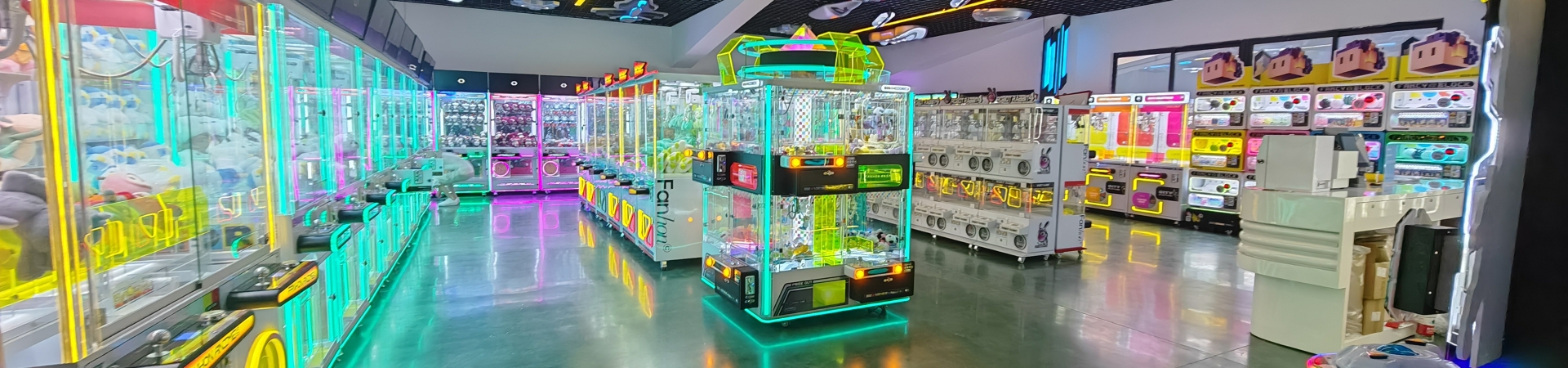
Owning a personal arcade machine has evolved from a niche retro gaming luxury to a popular upgrade for modern home game rooms, man caves, and commercial entertainment spaces. Today’s market offers countless options, including compact multi-game cabinets, full-size retro arcade machines, and durable commercial arcade devices tailored for bars, gaming centers, and family venues. However, the wide variety of choices has left most first-time buyers confused and prone to costly mistakes. From picking ill-fitting sizes and low-quality controls to overspending on unnecessary features or mismatched machine types, unguided purchases often end in disappointment. This is why a detailed and reliable arcade machine buying guide is indispensable for every shopper, whether you want a casual home gaming setup or a profit-driven commercial arcade device.
Most amateur buyers underestimate the complexity of choosing arcade machines. Many assume all arcade cabinets deliver the same gaming experience, judging products only by appearance and price. In truth, arcade machines differ greatly in structural durability, hardware performance, game library diversity, and long-term maintenance costs. Shopping without clear guidelines often leads to frustrating issues: laggy controls that ruin gaming fun, flimsy cabinets that wear out quickly, or bulky machines that waste precious space. A professional arcade machine buying guide removes blind guesswork, standardizes your selection process, and ensures every penny you spend delivers optimal value for your unique usage needs.
Avoid Common Buying Mistakes Without A Professional Arcade Machine Buying Guide
Blind purchasing is the biggest pitfall for new arcade machine buyers, easily leading to inferior products and wasted investment. The most common mistake is neglecting space planning, a critical detail few beginners consider. Standard full-size arcade cabinets measure 65 to 72 inches in height and 26 to 30 inches in width, while racing, shooting, and cockpit-style arcade machines require extra floor space and ventilation room for comfortable operation. Many home buyers impulsively buy oversized cabinets that cannot pass through doorways or leave no moving space, while commercial buyers opt for compact, low-attraction machines that fail to draw customers and hurt venue revenue.
Another widespread mistake is prioritizing stylish retro designs over core hardware quality. Beautiful printed artwork and glowing backlit marquees are visually appealing, but they cannot compensate for poor internal configurations. Low-cost arcade machines usually adopt cheap particle boards that warp and deform with humidity, paired with stiff, unresponsive buttons and laggy generic joysticks. In contrast, premium arcade cabinets use thick structural plywood for stable, impact-resistant, and long-lasting performance, equipped with industry-standard Sanwa joysticks and buttons for smooth, authentic arcade operation. A practical arcade machine buying guide teaches you to prioritize functional hardware over superficial looks, which directly determines your machine’s service life and gaming experience.
Scenario and audience mismatch is another key issue plaguing unguided buyers. Different usage environments require completely different arcade machine types. Family entertainment centers need kid-friendly redemption and interactive arcade games to cater to parent-child groups. Bars and youth gaming venues perform better with trendy racing, shooting, and rhythm arcade machines that appeal to teenagers and young adults. For home users, classic single-game cabinets satisfy retro nostalgia, while multi-game arcade machines with hundreds of built-in titles suit casual daily gaming. Following a targeted arcade machine buying guide helps you avoid mismatched purchases and maximize your device’s practicality or profitability.
Key Factors A Reliable Arcade Machine Buying Guide Must Cover
A comprehensive arcade machine buying guide covers all core selection factors, helping buyers make rational, targeted decisions based on budget, scenario, and long-term use. The first step is confirming your usage purpose and budget. Home buyers typically pursue space-saving layouts, rich game resources, and low maintenance costs, making mid-range multi-game arcade cabinets the most cost-effective option. For commercial operators, durability, player attractiveness, and continuous operation stability are top priorities, requiring high-end full-size arcade machines that can withstand long-hour peak-time use and bring stable ticket revenue.
Hardware and build quality inspection is the core part of any trustworthy arcade machine buying guide. Beyond cabinet materials and control accessories, you need to check display and sound performance. High-definition zero-lag screens eliminate stuttering and blurriness, perfectly restoring classic arcade visual effects. High-fidelity stereo speakers deliver immersive background music and game sound effects, recreating the authentic arcade hall atmosphere. Meanwhile, always check for cabinet scratches, screen damage, and loose structural parts to avoid defective products that affect daily use.
Game library flexibility and system compatibility are also non-negotiable evaluation criteria. Excellent modern arcade machines support free online game updates and multi-platform game integration, covering classic fighting, racing, puzzle, and retro arcade titles. Avoid locked single-game machines with fixed game resources unless you specifically pursue exclusive classic nostalgia. For commercial venues, a diverse, updatable game library is the core advantage to retain regular players and stand out from competitors.
Finally, long-term maintenance convenience cannot be ignored. A professional arcade machine buying guide always emphasizes daily upkeep: regular cleaning of control panels and coin mechanisms, routine inspection of joysticks and buttons, and timely system upgrades. Machines with simple, modular structures greatly reduce daily maintenance difficulty and failure rates, saving you plenty of time and repair costs in long-term use.
Maximize Your Investment With A Scientific Arcade Machine Buying Strategy
An arcade machine is a long-term investment rather than a disposable product, so scientific selection is key to maximizing returns. Simply chasing low prices will result in frequent malfunctions and short service life, while blindly pursuing top-tier configurations will cause functional redundancy and unnecessary cost waste. A standardized arcade machine buying guide helps you balance budget, performance, and practicality, matching the most suitable machine type for your personal or commercial needs.
For home game room builders, compact multi-game arcade cabinets are the ideal choice, balancing floor space, game diversity, and cost performance. For commercial operators, differentiated selection based on customer groups yields the best results: redemption arcade games for family-focused venues and competitive racing & fighting arcade machines for youth-dominated spaces, effectively boosting venue popularity and profit margins.
Final Thoughts
Buying an arcade machine involves systematic consideration of space, quality, scenario, and maintenance, far more than a simple shopping choice. Without a professional arcade machine buying guide, you are highly likely to fall into industry traps and purchase inferior, mismatched equipment. By following scientific purchasing tips, you can efficiently screen high-quality arcade machines, avoid unnecessary losses, and enjoy stable, immersive retro gaming fun at home or achieve sustainable commercial profits with ease.