


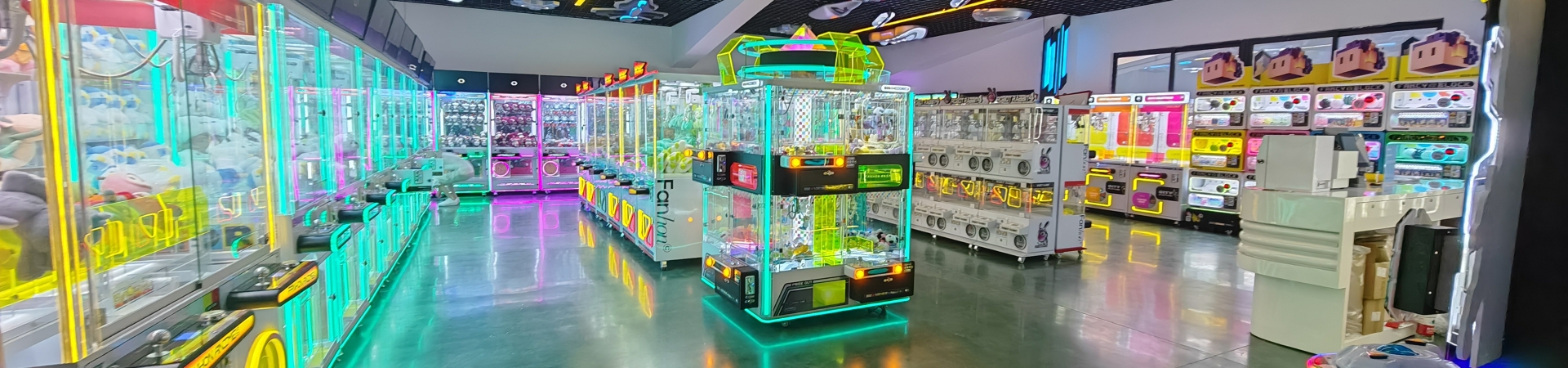
Building a profitable and sustainable arcade entertainment business relies heavily on strategic arcade machine procurement budget planning. Many first-time venue operators draft incomplete budgets that only cover upfront machine purchases, overlooking critical hidden costs such as freight shipping, professional installation, routine maintenance, and software licensing fees. A structured, full-cycle procurement budget enables precise startup capital control, eliminates unnecessary spending, shortens investment payback periods, and stabilizes recurring revenue, laying a solid foundation for sustainable arcade business growth in the competitive 2026 entertainment market.
Effectivearcade machine procurement budget planning starts with categorized equipment selection and tiered pricing alignment based on your venue scale, market positioning, and target audience. For small-to-medium family entertainment centers, mall arcade outlets, and capital-limited startups, classic multicade units and ticket redemption machines offer the best cost-performance. Functional second-hand classic arcade machines cost $400–$1,200, fully operational for daily commercial use. Fully refurbished premium models with upgraded screens and durable accessories range from $2,500–$5,000, delivering stable performance and strong player appeal. Brand-new commercial full-size multicade machines, equipped with HD LCD screens and integrated multi-game systems, are priced at $2,000–$4,500, ideal for long-term commercial operation with balanced durability and gaming experience.
High-end immersive venues and large-scale amusement centers need to allocate their arcade machine procurement budget toward high-margin interactive devices. Advanced VR simulators and 360-degree immersive arcade equipment, popular among young consumers and supporting premium pricing, cost $3,000–$30,000, featuring high-precision servo systems, commercial game licenses, and full safety structures. Meanwhile, mainstream competitive machines including basketball shooters, air hockey tables, and boxing arcade units remain reliable profit generators. Priced at $800–$4,500, these machines feature reinforced frames, anti-collision designs, and anti-cheat sensors, supporting high-frequency daily operation with low maintenance costs, making them essential for a balanced procurement portfolio.
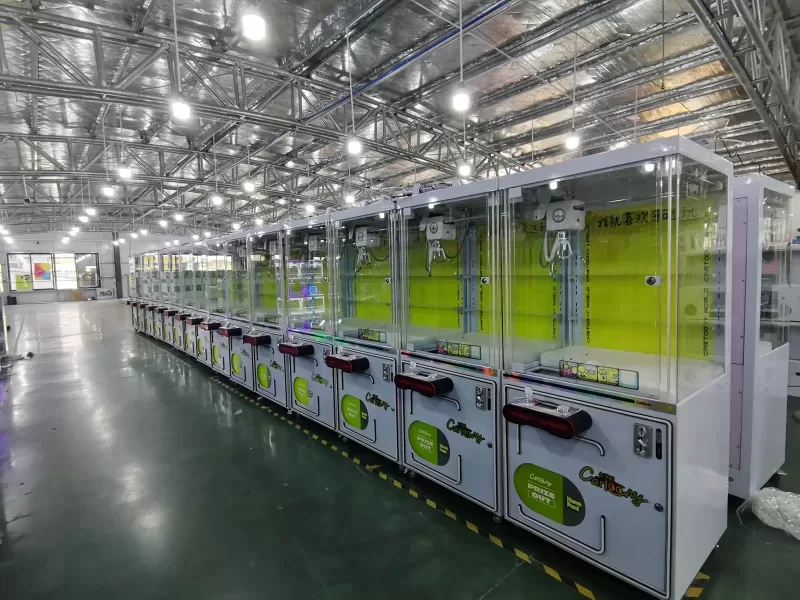
Professional arcade machine procurement budget planning accounts for both one-time capital expenses and recurring operational costs to avoid budget overruns. Upfront costs include equipment procurement fees, domestic or international freight, and professional on-site installation and commissioning, averaging $100–$500 per unit. Beyond direct hardware costs, easily overlooked hidden expenses consist of business permits, venue liability insurance, extended equipment warranties, and site layout adjustments. Industry statistics show arcade equipment typically accounts for 60%–70% of total startup investment, meaning accurate procurement budgeting directly determines overall project risk and profitability potential.
Long-term maintenance budgeting distinguishes professional arcade machine procurement budget planning from basic cost estimation. To prevent equipment downtime and revenue loss, industry experts recommend reserving 5%–10% of the initial procurement value annually for routine upkeep. This covers replacement of wearable parts like joysticks, buttons, and screens, as well as circuit debugging and fault repairs. Operators should also budget for essential spare parts inventory to minimize downtime. Additionally, allocating funds for regular system updates and commercial license activation sustains fresh gameplay, improves player retention, and preserves long-term market competitiveness for your arcade venue.
A phased procurement approach is the most cost-efficient strategy for streamlined arcade machine procurement budget planning. New arcade businesses should avoid over-investing in bulk equipment at launch. Starting with 15–25 well-matched machines creates a complete operational lineup while controlling initial expenditure. Balance your budget between low-risk, steady-profit classic arcade games and high-value immersive interactive devices to diversify revenue streams. Aligned with the standard 12–24 month arcade industry ROI cycle, operators can adjust future procurement budgets and machine mixes based on real-time foot traffic, customer demographics, and consumption habits to achieve refined, data-backed budget management.
To conclude, precise arcade machine procurement budget planning is a systematic strategy combining differentiated equipment selection, full-cost accounting, and long-term operational fund allocation. By eliminating one-sided cost estimates and covering both explicit and hidden expenses, arcade operators effectively reduce investment risks, improve capital utilization, and maximize equipment profit margins. In today’s competitive entertainment industry, a refined procurement budget plan is essential to building a low-risk, high-reward, and sustainably profitable arcade business model.