


Most buyers who search for a vending machine manufacturer in China end up talking to a trading company, not a factory. The gap is invisible in a catalogue and obvious in the unit price, in how fast a design change moves, and in who answers when a coin acceptor jams at month six.
What a source factory actually means
A trading company resells machines bought from one or more plants. A source factory owns the tooling, the sheet-metal line, the assembly bench and the parts store, so samples, production slots and after-sales calls are decided in-house rather than brokered.
Where the middleman markup hides
The margin is rarely one printed line. It hides in the unit price, in packing fees, in a spare-parts bundle priced in from the start, and in freight handling. Ask for an itemised quote and compare identical specifications line by line; a factory can tell you which lines are fixed cost and which fall as volume rises.
Questions worth asking before a deposit
Ask which components are made in-house, whether the coin acceptor, bill validator and controller are standard or specified for your market, what the real minimum is for a colour change, and who owns the artwork files afterwards. Then ask for video of your capsule size actually vending.
Why factory-direct is not automatically cheaper
A low quote built on unknown acceptors and a thin cabinet is not a saving; it is a repair bill with a delay attached. Compare landed cost per machine over three years, spares included, instead of the sticker price.
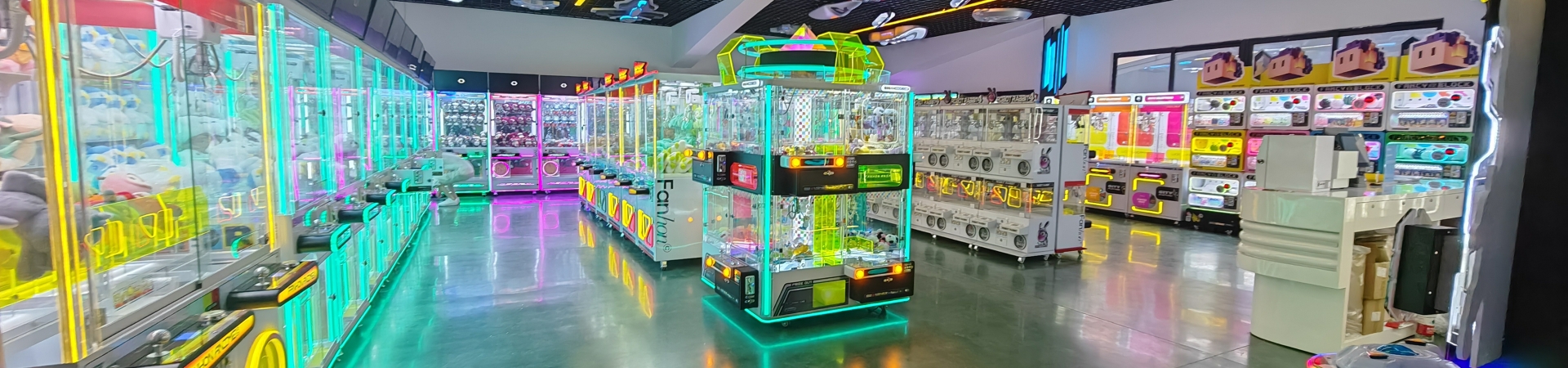
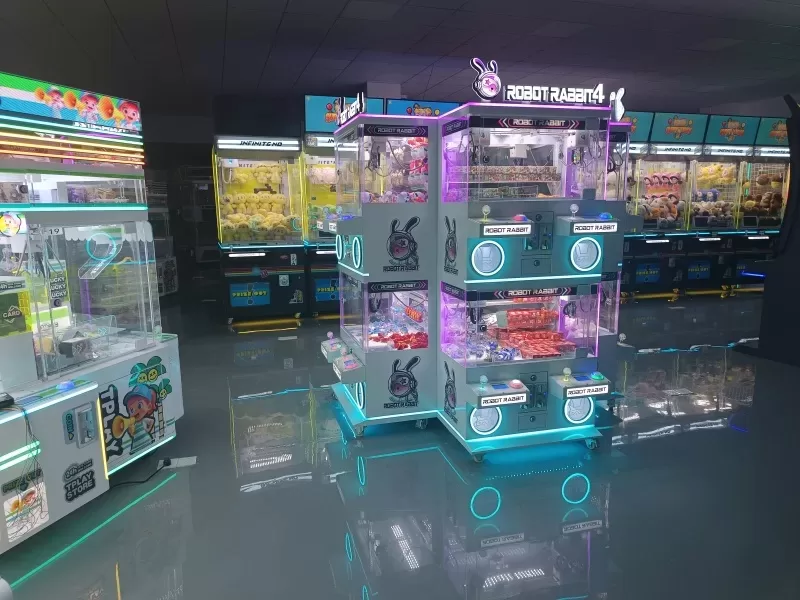
FanHong Amusement builds capsule-toy vendors, gift vending machines and arcade units in Guangzhou Panyu, with OEM/ODM, low-MOQ trial orders and turnkey store support.