


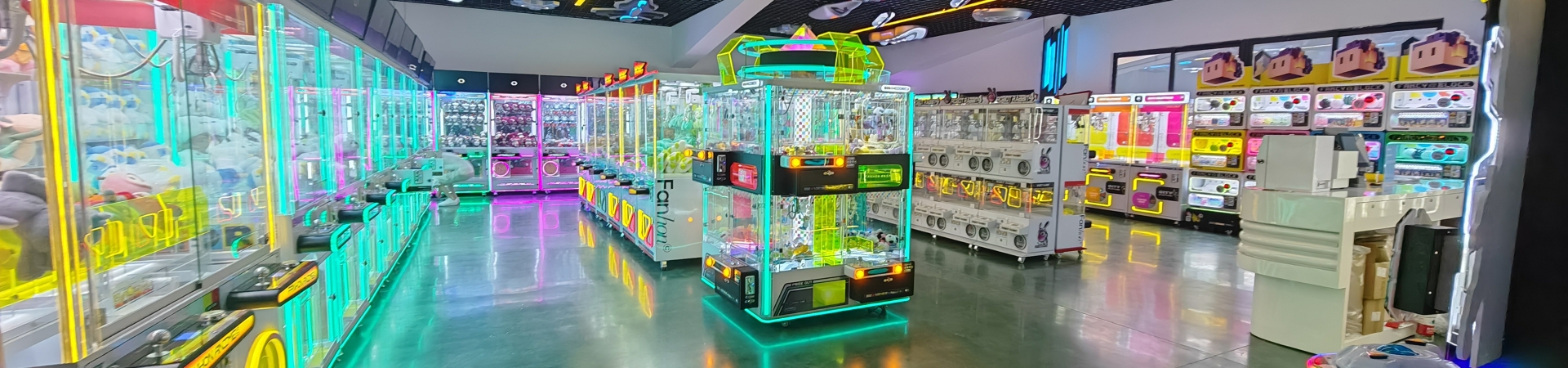
Many new entrepreneurs jump into the claw shop business believing it offers low entry barriers and steady passive profits. Inspired by popular, high-traffic claw arcades, they launch their stores without thorough planning, only to face low foot traffic, weak customer stickiness, rising overheads and consistent losses. In most cases, poor store performance stems from avoidable startup and operational errors rather than market saturation. This article outlines the most common, high-cost mistakes when opening a claw shop, delivering actionable tips to help new operators avoid pitfalls and build a stable, revenue-generating claw machine business.
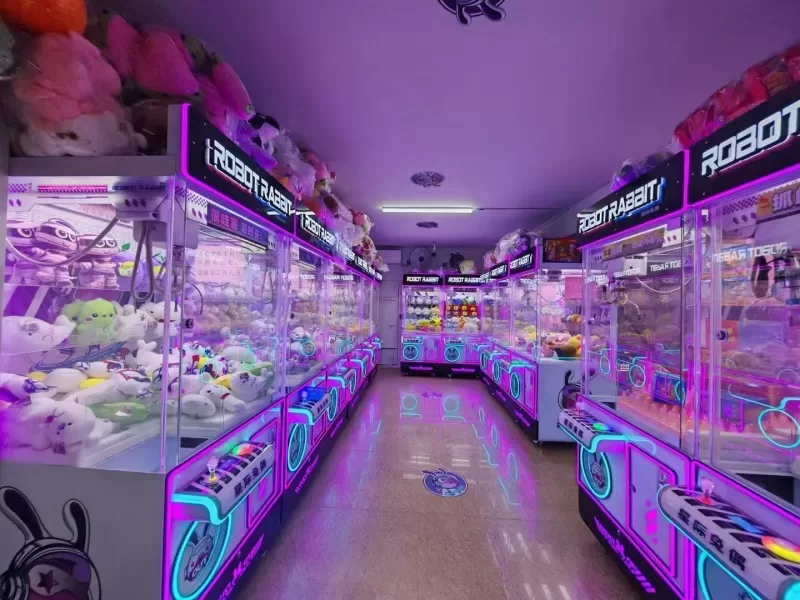
1. Choosing the Wrong Location & Ignoring Zoning Rules
Poor site selection ranks top among all claw shop startup mistakes. Many beginners prioritize cheap rent over traffic quality and target customer matching. Remote storefronts with low pedestrian flow cannot generate enough consumption, while mismatched high-rent locations fail to convert passersby into paying customers. As a youth-oriented entertainment business, claw shops perform best in shopping malls, commercial streetfronts and areas near colleges, where stable groups of students, couples and young shoppers guarantee sustainable effective traffic.
Equally critical is ignoring local zoning policies and licensing requirements. Most regions have clear regulations restricting commercial amusement businesses, and multi-machine claw shop operations require specialized business permits. Skipping pre-opening compliance checks often leads to mandatory shutdowns, costly rectification fees and wasted renovation investment, resulting in irreversible startup losses.
2. Blindly Purchasing Low-Cost, Low-Quality Machines
Cost-cutting machine procurement is another typical rookie mistake. Many new operators purchase low-cost second-hand or inferior claw machines to reduce initial investment. These unqualified devices suffer from unstable claw tension, frequent clamping failures and high breakdown rates. Inconsistent gaming experiences frustrate customers, destroy store reputation and eliminate repeat visits, which are the core of long-term claw shop profitability.
Beyond bad user experience, uncertified low-quality machines fail to meet international safety and voltage standards, triggering risks like customs detention, safety hazards and legal penalties. Investing in premium, intelligently adjustable claw machines with stable performance is not a waste of money, but a necessary foundation for sustainable claw shop operation.
3. Unreasonable Prize Selection & Lazy Renewal
Prizeware is the core competitiveness of any claw shop, yet many new owners make extreme missteps. Some stock outdated, low-quality plush toys that fail to attract modern young consumers, while others overstock high-value gifts that completely squeeze profit margins. Either way leads to poor conversion rates and unsustainable operation, making prize matching one of the most overlooked operational details.
Infrequent prize updates further exacerbates customer fatigue. Fixed, unchanged prize layouts reduce player curiosity and replay willingness. Top-performing claw shops adopt flexible update strategies: small weekly refreshes and full monthly replacements with trendy plush toys, viral gadgets and seasonal exclusive gifts, continuously attracting repeat customers and maintaining stable store popularity.
4. Improper Claw Force & Probability Setting
Improper machine parameter setting is a fatal hidden problem for new claw shops. Without professional debugging experience, many operators set overly weak claw force and ultra-low winning odds, making customers feel scammed and spreading negative reviews. On the contrary, overly loose parameters cause excessive prize output, drastically cutting profits and even leading to net losses.
Professional operation requires flexible adjustment of claw strength and winning probability based on traffic peaks, customer groups and store locations. Reasonable near-miss settings retain player enthusiasm while securing stable profit margins, achieving a perfect balance between customer experience and store revenue.
5. Underestimating Operating Costs & No Budget Buffer
Most new operators only budget for upfront costs including rent and machine purchases, ignoring recurring hidden expenses. Daily machine maintenance, regular prize restocking, repair fees, utility bills and marketing costs accumulate over time, eroding gross profits and greatly reducing actual net income.
Lack of a risk budget buffer worsens financial risks. Off-season traffic drops, sudden equipment failures and intensified market competition will bring unexpected losses. Reserving 20%–30% of the total startup budget as contingency funds is critical to resist market fluctuations and ensure stable daily operation.
6. Neglecting Marketing & Customer Operation
Passive business operation is another common mistake. Many owners rely solely on store location to attract traffic and neglect active marketing and customer retention. With fierce homogeneous competition in the claw machine industry, stores without social media promotion, offline activities and member operation systems will quickly lose competitiveness.
Simple but effective tactics like recharge discount campaigns, social media sharing of customer clawing highlights and exclusive member welfare groups can effectively boost repurchase rates, stabilize customer flow and form a long-term profitable operational cycle.
Final Words
In summary, running a profitable claw shop demands refined, standardized management rather than blind investment and passive waiting. By avoiding the above common startup and operational mistakes in site selection, equipment procurement, prize arrangement, parameter setting and marketing, new operators can effectively reduce risks, shorten ROI cycles and make their claw shop stand out in the competitive amusement market for long-term stable profits.